

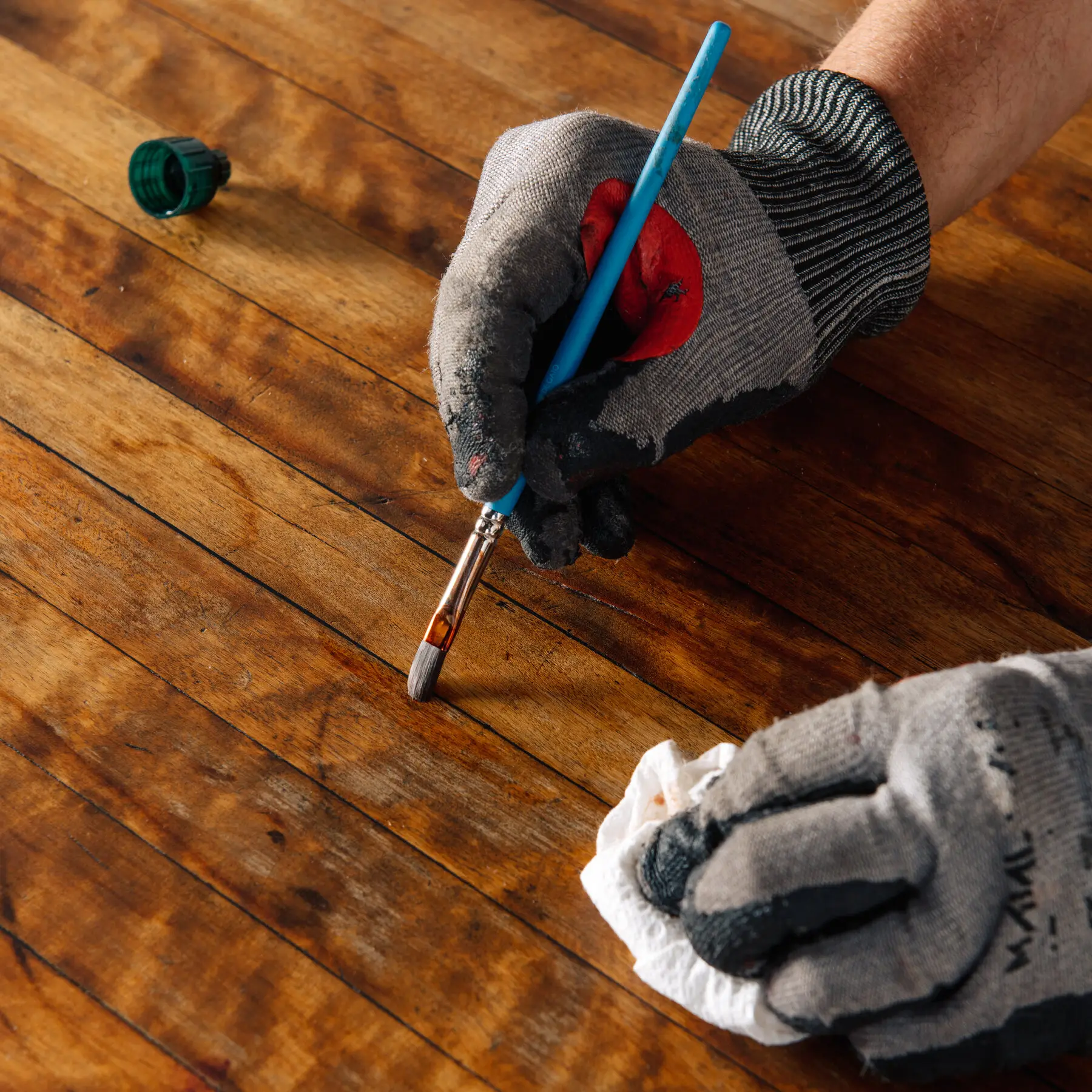
Restoring old furniture isn’t just about giving tired pieces a facelift — it’s about reviving craftsmanship, preserving stories, and adding character to your home. Whether you’ve found a gem at a charity shop or inherited a family heirloom, proper restoration can breathe new life into wood, metal, and fabric.
At J&D Sprayers & Makeovers, we’ve restored everything from antique dressers to modern tables using a blend of traditional skills and spray painting innovation. To help you get started, here are 10 essential furniture restoration tips from the pros.
Restoration takes longer than you think — especially with pieces that are intricate, broken, or heavily coated in old finishes. Block out dedicated time for each stage (cleaning, stripping, sanding, finishing), and don’t rush the process.
Look for stamps, maker’s marks, or stickers that hint at the item’s history or value. Do some research before touching anything — especially antiques — as certain treatments could diminish its worth. If in doubt, consult an expert before sanding or stripping.
Some restorations are well worth the effort and cost. Others… not so much. Price up the materials, tools, and possible repairs, and ask yourself: Is this worth the time, money, and effort — or is it better replaced? Sentimental pieces are always worth more, of course.
Before picking up tools, decide what you want the end result to look like. Will you strip the piece to natural wood? Paint it in a bold colour? Add new handles or legs? Check hidden areas (like the back of drawers) to see the original wood grain and help inform your vision.
A few essentials will make your life easier:
Always wear a respirator mask when sanding or using solvents. Use gloves when handling strippers and paints, and work in a well-ventilated area. Safety is non-negotiable, even for smaller projects.
Before stripping or sanding, clean thoroughly. Years of wax, grease, and dirt can hide the wood’s condition and interfere with new finishes. Use warm water with mild oil soap and a soft brush or sponge. For crevices, a toothbrush or cotton bud can work wonders.
Fix what’s broken before you worry about how it looks. Tighten joints, replace missing screws, and glue loose pieces. Fill cracks and holes with wood filler that matches the finish. For complex structural repairs, consider getting professional help.
Refinishing preserves the original look: you’ll need to strip the surface, sand, and apply a new stain or oil.
Painting is a good option for worn-out or lower-value pieces — just be sure to prep well. Either way, don’t skip surface preparation: it’s the key to a smooth, long-lasting finish.
There’s no shame in being new to restoration. Use books, online tutorials, and social media for guidance. Or better yet — reach out to J&D Sprayers & Makeovers for professional advice or assistance.
Furniture restoration is a rewarding journey — one that’s part history, part craftsmanship, and part creativity. With the right tools, knowledge, and a bit of patience, you can turn neglected furniture into stunning centrepieces that last for generations.
Got a piece you’re thinking of restoring? Contact us for a no-obligation consultation — or explore our furniture spray painting services for a modern, durable, and flawless finish.